
長(zhǎng)毛兔養(yǎng)殖:從“毛球”到“軟黃金”
 發(fā)布日期:2026-05-14
來源:http://www.jinrimeigu.cn 發(fā)布人:創(chuàng)始人
發(fā)布日期:2026-05-14
來源:http://www.jinrimeigu.cn 發(fā)布人:創(chuàng)始人
提起長(zhǎng)毛兔,很多人腦海中浮現(xiàn)的可能是一團(tuán)毛茸茸、憨態(tài)可掬的寵物形象。但在現(xiàn)代農(nóng)業(yè)的版圖中,這種“為毛而生”的小動(dòng)物,其實(shí)是一座能夠持續(xù)產(chǎn)出的“微型銀行”。隨著全球?qū)μ烊痪G色纖維需求的攀升,長(zhǎng)毛兔養(yǎng)殖正憑借其投資少、見效快、收益穩(wěn)的特點(diǎn),成為鄉(xiāng)村振興中潛力的特色產(chǎn)業(yè)。
When it comes to long-haired rabbits, many people may envision a fluffy, adorable pet image. However, in the realm of modern agriculture, these "furry creatures" are actually a "micro-bank" capable of continuous production. With the global demand for natural green fibers on the rise, long-haired rabbit breeding, with its characteristics of low investment, quick returns, and stable profits, is emerging as a highly potential specialty industry in rural revitalization.
科學(xué)養(yǎng)殖:從“憑經(jīng)驗(yàn)”到“靠技術(shù)”
養(yǎng)好長(zhǎng)毛兔,核心在于通過科學(xué)管理獲取高產(chǎn)的兔毛。這不僅需要為它們提供舒適的居所,更需要精細(xì)化的日常照料。
Scientific breeding: From "relying on experience" to "relying on technology"The core of raising good long-haired rabbits lies in obtaining high-quality and high-yield rabbit fur through scientific management. This requires not only providing them with comfortable living quarters, but also meticulous daily care.
1. 優(yōu)選良種與舒適環(huán)境
想要產(chǎn)毛多,品種是關(guān)鍵。目前我國(guó)自主培育的長(zhǎng)毛兔品種(如浙系長(zhǎng)毛兔、沂蒙巨型長(zhǎng)毛兔等)在產(chǎn)毛量和毛質(zhì)上均已達(dá)到國(guó)際水平。在養(yǎng)殖環(huán)境上,長(zhǎng)毛兔喜干厭濕,圈舍溫度控制在15~25℃,相對(duì)濕度保持在60%~70%。夏季要注意通風(fēng)降溫,冬季則需做好保暖,因?yàn)檫m宜的溫度直接決定了兔毛的生長(zhǎng)速度和品質(zhì)。
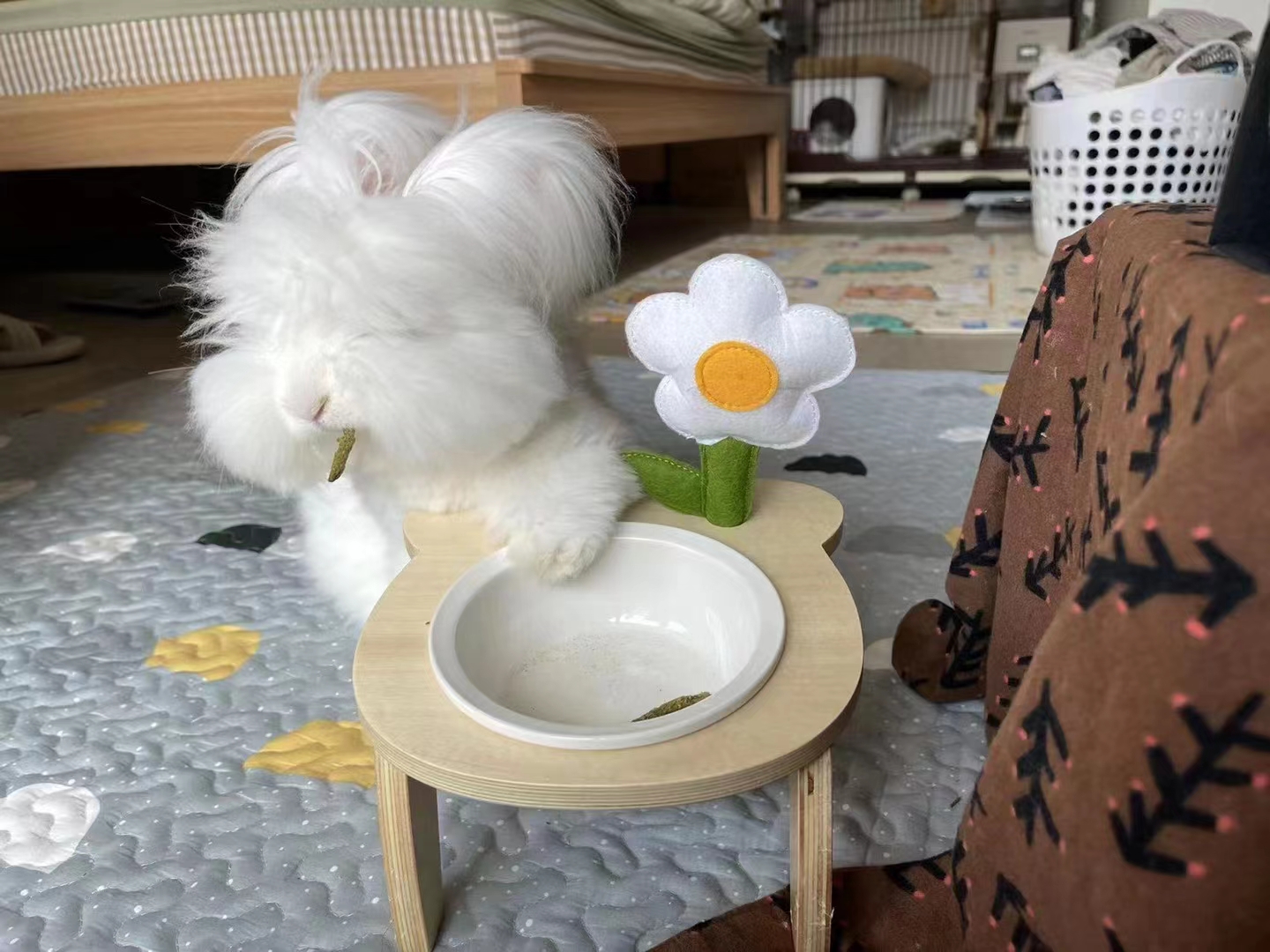
1. Optimal Breeding and Comfortable EnvironmentFor high wool production, breed is crucial. Currently, domestically bred long-haired rabbit breeds in China, such as the Zhejiang long-haired rabbit and the Yimeng giant long-haired rabbit, have reached international leading levels in both wool yield and quality. In terms of the breeding environment, long-haired rabbits prefer dry conditions and dislike wet ones. The temperature in the enclosure should be controlled between 15-25℃, with a relative humidity maintained at 60%-70%. In summer, ventilation and cooling measures should be taken, while in winter, proper warmth should be ensured, as the suitable temperature directly determines the growth rate and quality of rabbit wool.
2. 嚴(yán)防“毛球病”與日常梳理
長(zhǎng)毛兔在自我清潔時(shí)極易吞食兔毛,若不能及時(shí)排出,會(huì)在胃中纏結(jié)成團(tuán)引發(fā)“毛球病”,嚴(yán)重時(shí)會(huì)導(dǎo)致消化道阻塞甚死亡。因此,日常飼養(yǎng)中必須提供提摩西草等高纖維干草,促進(jìn)腸道蠕動(dòng)。此外,梳毛是每天必做的功課,順毛輕柔梳理不僅能防止毛發(fā)打結(jié)、提升兔毛等級(jí),還能有效減少兔子吞食浮毛的概率。
2. Strictly Preventing "Hairball Disease" and Daily Grooming Long-haired rabbits are prone to swallowing their own fur during self-grooming. If the fur cannot be expelled in time, it can tangle in the stomach, causing "hairball disease," which can lead to severe digestive obstruction and even death. Therefore, it is essential to provide high-fiber hay such as timothy grass during daily feeding to promote intestinal peristalsis. In addition, grooming is a daily necessity. Grooming gently and smoothly not only prevents fur tangling and enhances the quality of the rabbit's fur, but also effectively reduces the probability of rabbits swallowing loose fur.
3. 周期性剪毛與營(yíng)養(yǎng)供給
兔毛的采集講究周期性,通常每60~90天剪毛一次,一年可剪4~5次。在剪毛前的一周,應(yīng)適當(dāng)增加精飼料(如蛋白質(zhì)含量高的兔糧)和胡蘿卜等青綠飼料的供給,為兔毛的快速再生提供充足的營(yíng)養(yǎng)儲(chǔ)備。
3. Periodic Shearing and Nutritional SupplyThe collection of rabbit fur emphasizes periodicity. Typically, fur is sheared every 60 to 90 days, with 4 to 5 shearing sessions per year. One week before shearing, the supply of concentrated feed (such as rabbit feed with high protein content) and green feed like carrots should be appropriately increased to provide sufficient nutritional reserves for the rapid regeneration of rabbit fur.